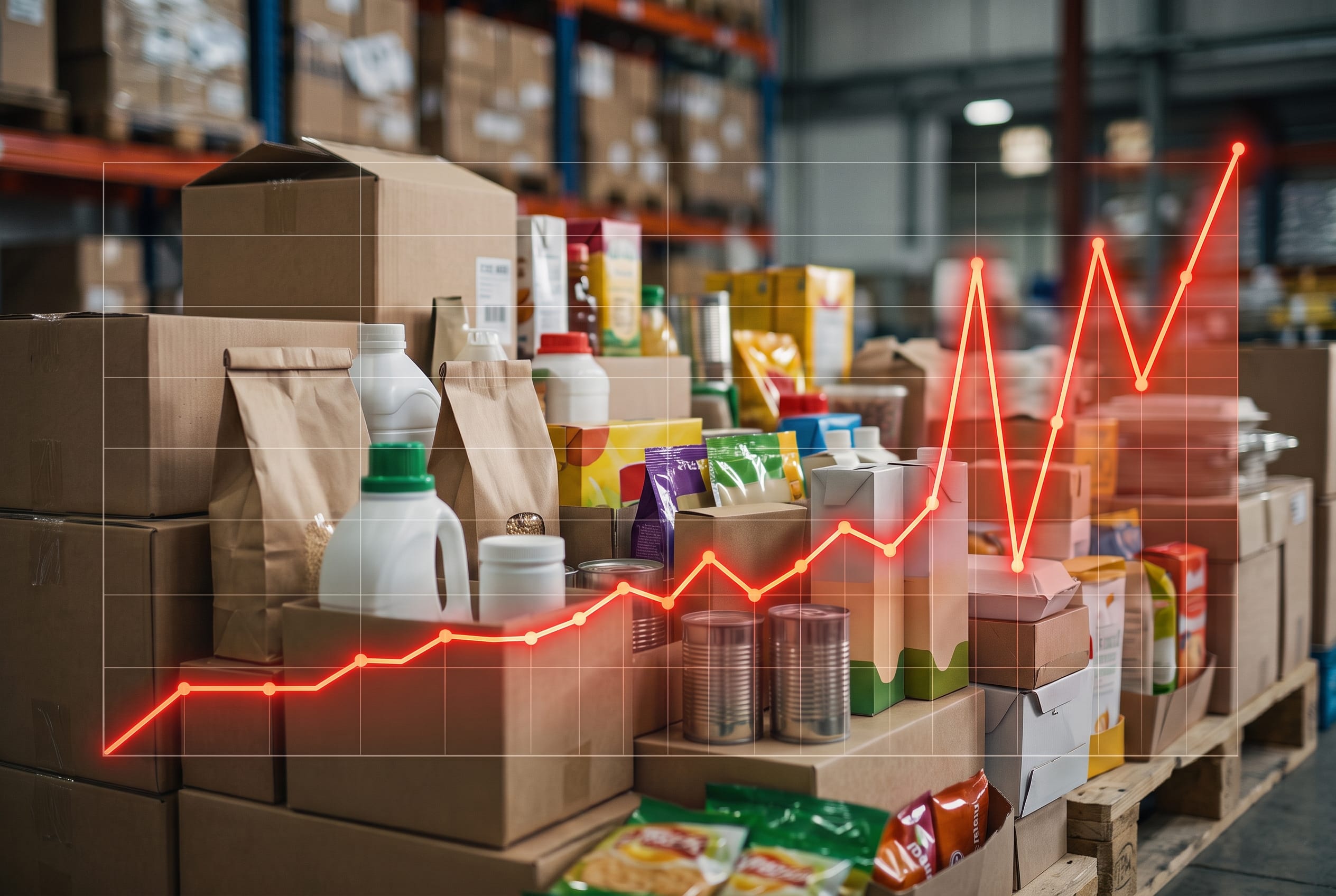
Despite growing environmental awareness, plastic is the only packaging material in the European Union to see a marked increase in use, surging by 11% between 2011 and 2025.
A recent study published by the European Commission’s Joint Research Centre (JRC) highlights that overall packaging waste quantities across the EU remain stubbornly high.
Across 19 member states – which represents 97% of the bloc’s population – the average consumer uses 98kg of packaging every year. The food and drink sector drives almost all of this market demand, accounting 97% of the packaging consumed.
While traditional packaging materials like paper, metal and glass have levelled off, plastic consumption has notably bucked the trend. By 2025, the volume of plastic packaging waste on the market reached 5.9 million tonnes, averaging roughly 14kg per person.
The plastic divide
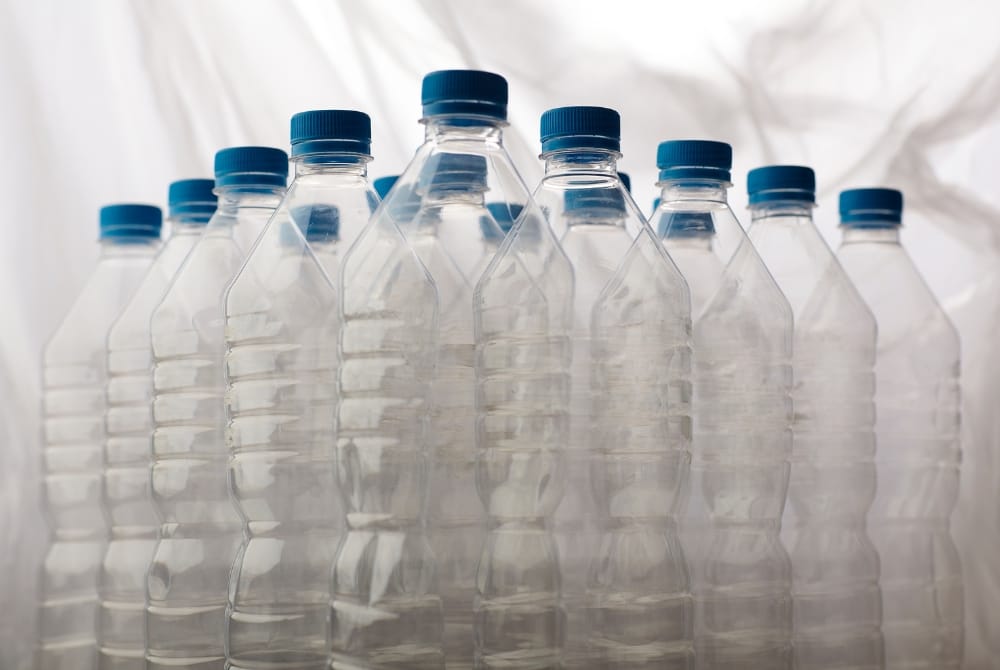
Polyethylene terephthalate (PET), heavily utilised for water and fizzy drink containers, continues to be Europe’s leading plastic polymer. Yet, domestic packaging consumption patterns reveal a profoundly fractured landscape.
Within Germany, individual plastic packaging footprints peak at 16kg, contrasting sharply with Sweden, which records only half of that figure.
Nations including Ireland, Romania and Poland have experienced a steep upward trend in plastic use over the previous 10 years. In contrast, territories like France, Belgium and the Netherlands have successfully maintained relatively consistent plastic packaging levels.
Whilst plastic pollution dominates environmental discussions, glass still comprises 75% of total packaging mass. This reality is primarily propelled by its substantial density alongside the widespread adoption of both refillable and single-use glass bottles.
Navigating the packaging market
For businesses operating in the sustainable packaging wholesale sector, these latest figures underscore a rapidly shifting landscape.
With tightening EU packaging regulations and a stronger focus on the green transition, adopting robust extended producer responsibility frameworks has never been more critical.
Under these guidelines, manufacturers and wholesalers take greater financial and operational accountability for the environmental impacts and end-of-life recycling of the packaging they supply.
As the JRC expands its monitoring to include home care, personal care and pet food, the regulatory net is widening. The message for the packaging industry is clear: adapting to sustainable materials and embracing circular economy business models is no longer just good PR – it is an impending commercial necessity.