Scientists in Australia have created a new biodegradable packaging material using milk protein that fully decomposes in soil within just 13 weeks.
Researchers at Flinders University in South Australia – working with colleagues from Colombia’s Universidad de Bogotá Jorge Tadeo Lozano – made the potential breakthrough in combating plastic pollution, by developing a thin, durable film that imitates the characteristics of traditional single-use plastics, whilst being far more environmentally-friendly.
According to the research, published in the journal Polymers, the material combines calcium caseinate – the primary protein found in milk – with modified starch and bentonite nanoclay, with glycerol and polyvinyl alcohol added to improve durability and flexibility.
Testing found that the material steadily decomposed under normal soil conditions, with a full breakdown estimated to occur within 13 weeks.
With the packaging industry under increasing pressure to produce more sustainable food packaging, this development provides a welcome breakthrough and early evidence that combining biopolymers with nanoclay suspensions can produce films suitable for this purpose.
“The entire formulation was designed to use inexpensive ingredients that are biodegradable and environmentally friendly to create a sustainable alternative with enhanced characteristics,” said Nikolay Estiven Gomez Mesa, one of the project’s lead researchers.
The environmental impact of plastic remains a critical concern for global regulators. Statistics from the journal Nature suggest that approximately 60% of current plastics are used for single-use applications, with only 10% being recycled.
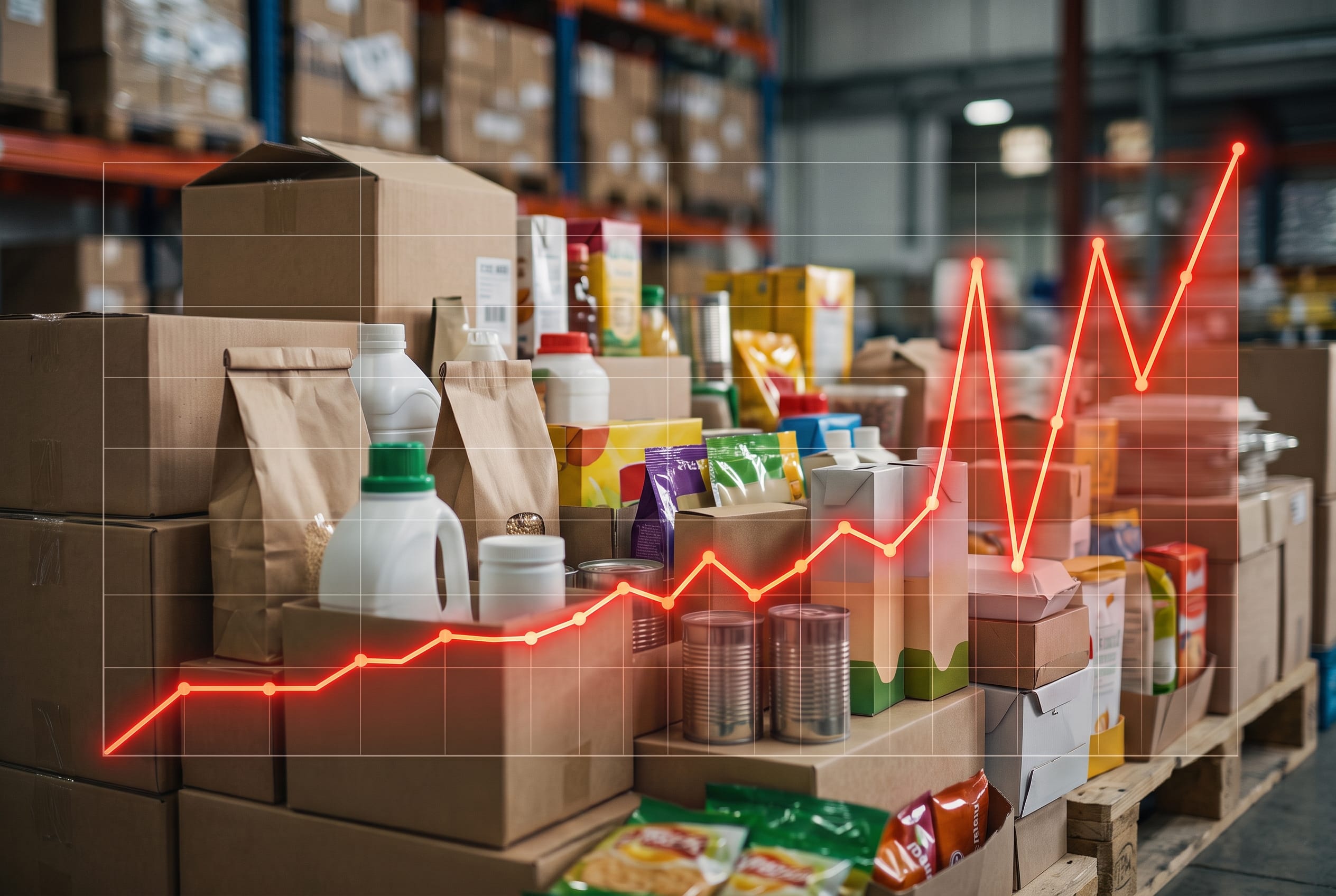
Global plastic production has climbed from 2 million tonnes in 1950 to 475 million tonnes by 2022, and the Organisation for Economic Co-operation and Development (OECD) has warned that this could increase to 700 million tonnes by 2040, without coordinated international action.
“Everyone can play a part in reducing their plastic use, and finding biodegradable polymer alternatives is an important part of science helping to find solutions for industry, consumers, and the environment,” said Professor Alis Yovana Pataquiva-Mateus, who co-led the study.
“Most of our single-use plastic comes from food packaging, so these sorts of options should be explored further and join the circular economy revolution to conserve resources.”
Image courtesy of Flinders University.