An Australian company is breaking new ground in the sustainable food packaging market by converting banana plantation waste into packaging.
Papyrus Australia is taking stalks, leaves and stems generated by the country’s banana industry and transforming it into a flexible pulp that can be used to create various forms of packaging.
The estimated annual emissions from the country’s agricultural waste – that would otherwise decompose and release methane – is equal to 900,000 tonnes of carbon dioxide.
A growing market for plant-based solutions
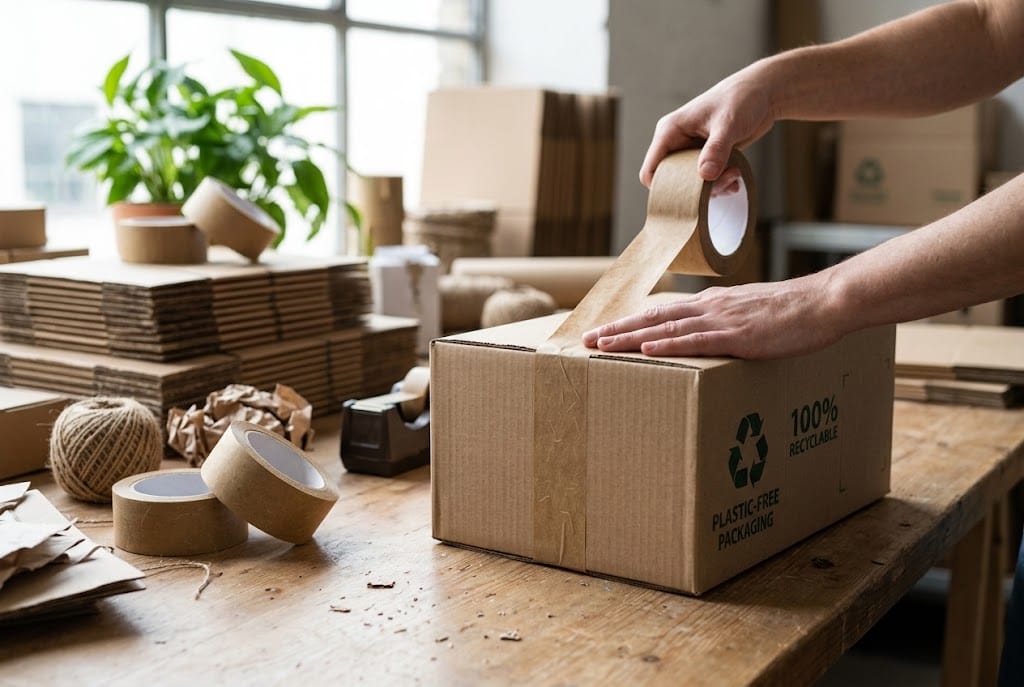
The new conversion technology transforms the plantation waste into a refined pulp, which is subsequently pressed into paper, board or moulded packaging applications, such as food containers or trays.
The innovative method offers a reduced environmental impact compared to conventional paper milling, which consumes vast quantities of water and aggressive chemicals to decompose wood fibres.
This development arrives as international regulations regarding plastic waste become increasingly stringent. As numerous nations prohibit expanded polystyrene (EPS) and single-use plastics, the food industry faces mounting pressure to source durable, compostable alternatives that maintain food safety and product longevity.
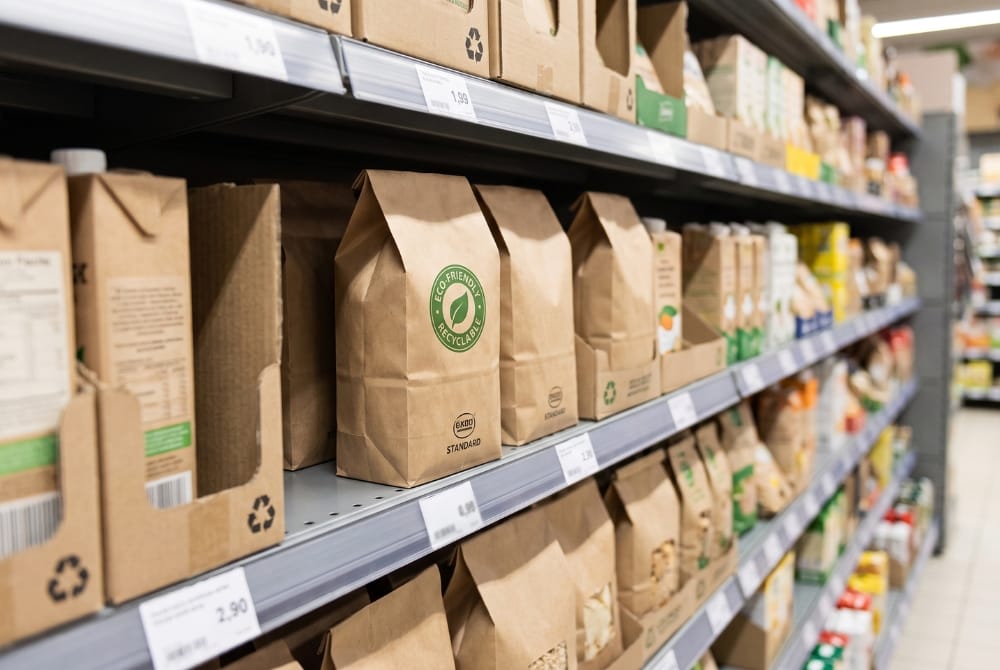
Whilst banana fibre represents a new opportunity, it enters a market already featuring established plant-based alternatives. Many firms have already shifted towards similar materials, such as eco-friendly bagasse food packaging, which is manufactured from sugar-cane leftovers.
Environmental benefits
Much like bagasse, banana pulp offers a robust, compostable choice for both hot and cold produce, underlining a broader transition towards using agricultural residues within the supply chain.
By working directly alongside growers, manufacturers and converters, Papyrus Australia aims to accelerate the adoption of banana fibre-based materials within the packaging industry, thereby helping to reduce the carbon footprint of the farming industry, along with plastic waste.
CEO Daniel Schmidt said: “If the business has access to banana plantation waste, we can support the development of a sustainable and profitable manufacturing venture.
“For the banana industry across the globe, this technology also represents a viable opportunity to help it utilize plantation waste.’
Banana breakthrough?
Supported by an Australian government matched funding development grant of US$165,000, Papyrus Australia set up a rapid prototyping and research and development facility at Adelaide University.
This facility has since developed a prototype pulp line, with equipment installed to support the transition from research to commercial production.
“Papyrus is in the process of establishing its Adelaide production facility, which will house the key transformation technology and processes to convert the plantation waste into a valuable pulp for use in moulded products, paper, and board applications,” added Schmidt.
“This facility will be the cornerstone for scaling our technology.”
In an industry that is always driving advancements in eco-packaging technology, could the modest banana offer the breakthrough solution that helps to spell the end to plastic waste?