Ribena, one of the UK’s favourite drinks brands, has unveiled a new ‘100% recycled’ bottle that will save over 200 tonnes of plastic per year.
The new design, which features a drastically reduced sleeve, will also improve the brand’s recycling rates within the current UK recycling infrastructure.
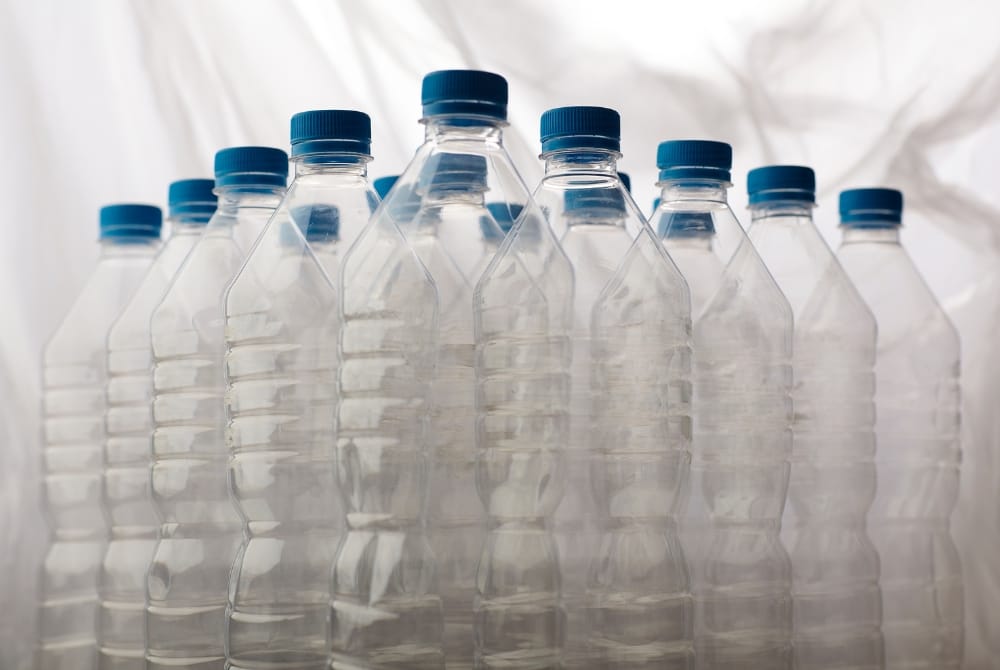
Although the current Ribena bottle is made from clear, recyclable plastic, the long dark sleeve that covers it can prevent sensors at some recycling plants from identifying the bottle and sorting it into the correct recycling stream.
Ribena says the new design makes it the UK’s largest soft drinks brand to use bottles which are made from 100% recycled plastic and are 100% bottle-to-bottle recyclable.
Suntory Beverage and Food GB and Ireland (SBF GB&I), who own the Ribena brand, invested £1.6m on the redesign, which took two years to complete.
The company sees the development as a key step in reaching its targets of making plastic packaging “completely sustainable” by 2030 and reaching net zero carbon emissions by 2050. Recycled plastic helps towards this second aim as it has a lower carbon footprint than virgin plastic.
From January 2021, all 500ml Ribena bottles manufactured in the UK and Ireland will feature the new design.
Suntory also plans to roll out the design to two of its other brands, Lucozade Sport and Lucozade Energy, within the next 18 months – which will reportedly save 1,100 tonnes of plastic each year.
Carol Robert, COO at SBF GB&I, said: “Making sure that our bottles can be easily recycled and turned back into bottles is an important part of our journey towards full circularity and net zero emissions.
“Simplifying the packaging of our drinks to help consumers to recycle is just one of our many investments in making our soft drinks more sustainable. From climate-change resilient blackcurrants to promoting biodiversity on our farms, we’re working to make Ribena more sustainable from bush to bottle.”
The new design was welcomed by the Recycling Association, WRAP and the Department for the Environment, Food and Rural Affairs (Defra).
Environment minister Rebecca Pow MP said: “It is this kind of innovation that we want to see to create a more circular economy for our waste and resources, with more materials being recycled and reused and less being consigned to landfill or incineration.”