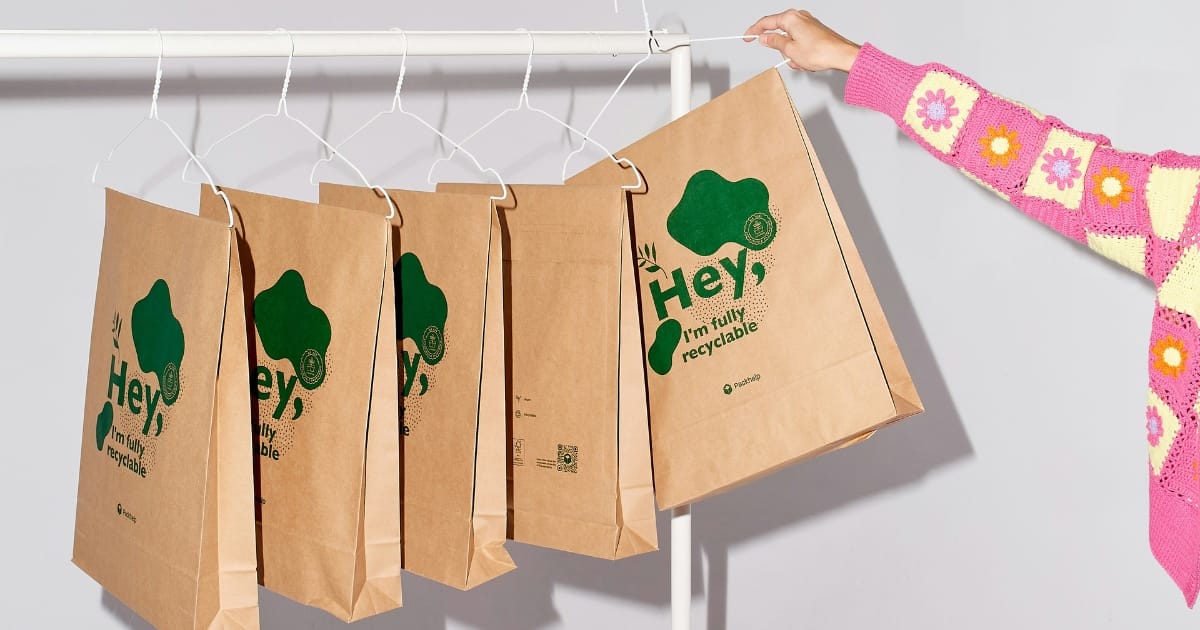
The advertising departments love them. Plastics made from corn, or sugar, or just about anything else that sounds “natural.”
Use them in your packaging, they tell their customers, and the consumers will see you as a White Knight, saving them from the planetary destruction wrought by the Other Companies (competition) who are motivated, of course, by power and greed (buzz-words these days) rather than the conservation of the Planet.
It sounds like hype, and it is, but it works. It trades on the anxieties of a public constantly bombarded with press on global warming, food recalls, and the more ordinary corporate excesses. The Iraq war is psychologically connected with the higher gas and oil prices, which are connected to higher prices for everything else, and plastics are connected to oil as their raw material, so anything we can do to make plastics from anything else, especially if it sounds non-toxic, is preferred.
It’s technical and economic baloney, but people eat a lot of baloney if it tastes good. The raw material for plastics is oil (and natural gas), to be sure, but in the form of energy those are the raw materials for paper, glass, metals, fertilizers, and just about anything else, too. As for toxicity, we have lots of good non-toxic plastics with years and years of safety record, even left alone by the antiplastics folk, but now there is the feeling that if it comes from a plant it’s safer. Crude oil comes from plants, too, but that doesn’t matter.
Bottom line?
The bio-based plastics, degradable, compostable or just plain permanent, as well as the conventional plastics with degradation-promoting additives, will find their niches, especially in food packaging and other consumer goods, where their image can be used to sell them. They will not get far in large-volume markets like grocery bags (despite California’s blatantly unscientific and inconvenient anti-bag laws), because of the sheer weight of the economic differential.
We are seeing a lot of bio-plastic press already, in advance of the gigantic K-07 Plastics Exhibition, and we’ll see more as the bio-resinmakers get their prices down to competitive levels. (It helped that the prices of all other plastics have risen so much; all the bio people had to do was stand still.) We even see additives offered that strengthen these materials (notably impact modifiers for PLA) and thus overcome a competitive disadvantage vs PET.
But PET isn’t standing still either, and is fighting back. We just saw an ad for a product in a “green PET package” which meant that (a) it was made with at least 50% recycle, and (b) it was processed with renewable energy! This isn’t explained further, but I doubt that the extruders and molders are being run by solar or wind power. More likely, they are near a hydro-electric source. No matter, what’s important is that it sounds green in terms the consumer can digest (recycle, renewable).
Keep tuned. And remember that the best way to save energy is not to buy the product at all
Reference: www.omnexus.com