Small shops no longer exempt from charge, as campaigners say ‘bags for life’ must be next
The charge for carrier bags in supermarkets will double to 10p in England from April 2021, whilst the exemption for smaller retailers will also be withdrawn, the Government has announced.
Currently, only retailers with more than 250 employees have to pay the 5p levy on all carrier bags sold – a charge introduced in 2015 in an attempt to reduce plastic pollution.
Since then, Defra points to a 95% reduction in carrier bag sales in England’s major supermarkets as evidence of a successful policy.
However, this appears to conveniently ignore a huge increase in the use of ‘bags for life’ in UK supermarkets, as their overall use of plastic increased last year.
Announcing the new carrier bag charge, environment secretary George Eustice said: “We have all seen the devastating impact plastic bags have on the oceans and on precious marine wildlife, which is why we are taking bold and ambitious action to tackle this issue head on.
“The UK is already a world-leader in this global effort, and our carrier bag charge has been hugely successful in taking billions of harmful plastic bags out of circulation. But we want to go further by extending this to all retailers so we can continue to cut unnecessary waste and build back greener.”
Environmental campaigners welcomed the move, but urged the Government to do more about the increased use of stronger bags for life, with evidence suggesting that many consumers are treating these sturdy, reusable bags in the same way as so-called ‘single use’ carrier bags.
Last year, the Environmental Investigation Agency and Greenpeace reported a 25% increase in sales of bags for life compared to 2018, with a staggering 1.5 billion sold across the UK – the equivalent of 54 per household.
The reusability of bags for life may appeal to consumers seeking to choose the most eco-friendly shopping bag, but a much higher carbon footprint means they must be used at least four times to make them more eco-friendly than a traditional carrier bag used just once.
“By raising the price of plastic bags again, the government is taking a small step in the right direction, but by now they should be taking great strides,” Sam Chetan-Welsh, a political campaigner at Greenpeace, told The Guardian.
“Reinstating the previous price of carrier bags but not taking action on bags for life is only looking at one part of the problem.”
The debate over the most eco-friendly solution for shoppers continues, with some supermarket chains trialling alternative solutions.
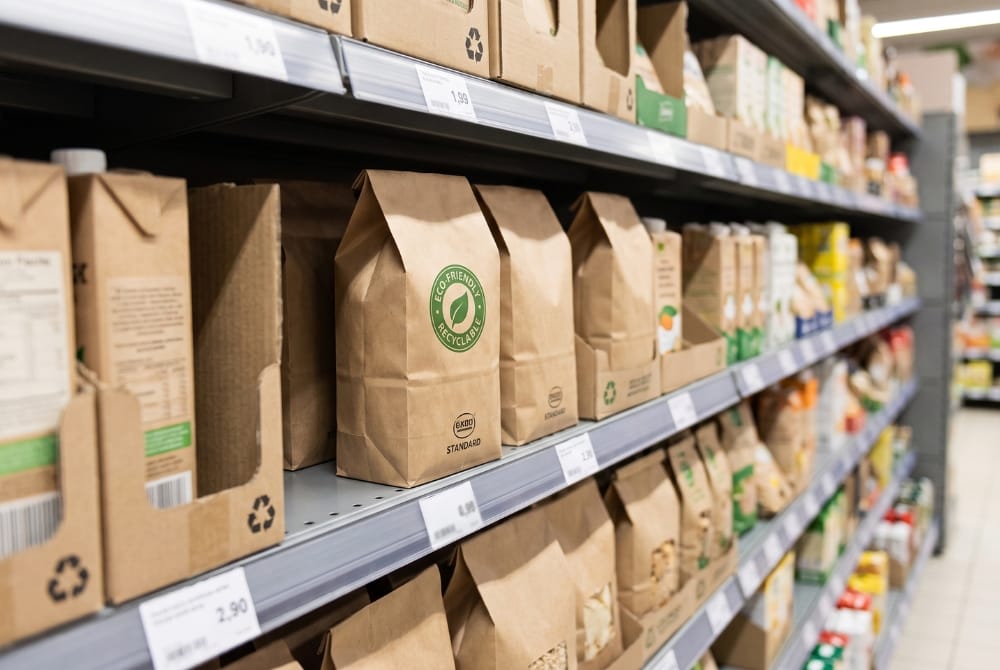
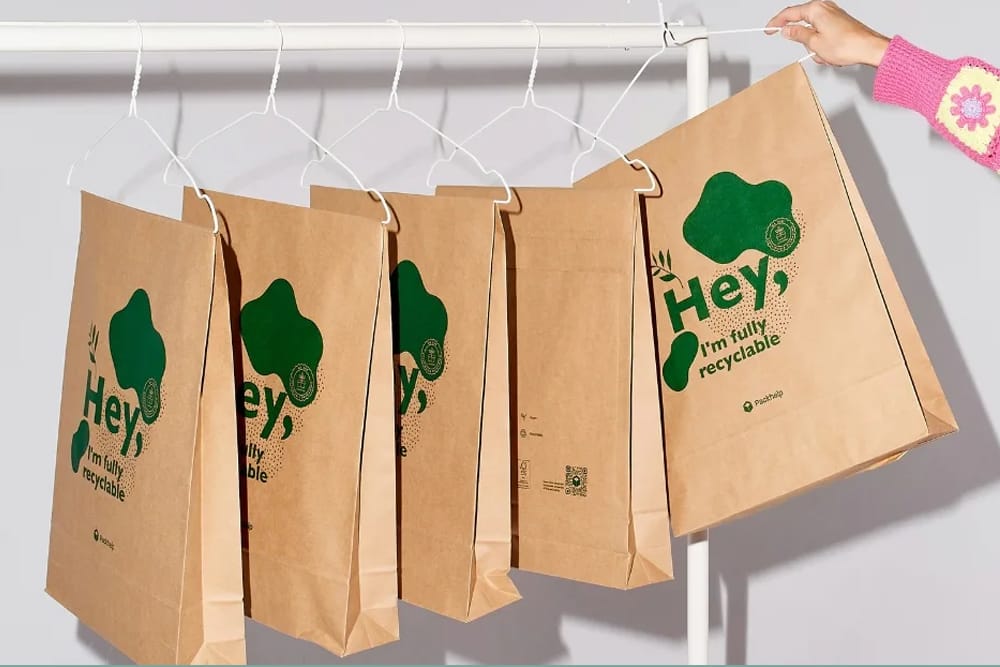
Morrison’s recently announced plans to ditch their bags for life, replacing them with sturdy paper alternatives in a trial across eight of its stores.
If the trial proves a success, Morrison’s plan to provide only paper bags across all 494 of its stores, which it claims that it would save 90 million plastic bags being used each year – the equivalent of more than 3.5 thousand tonnes of plastic annually.
But whilst paper bags pose less of a litter problem than plastic bags and are widely recyclable, to focus on the end of the bag’s life-cycle does not tell the full story.
A new online tool from leading UK manufacturer Polybags allows customers to compare different bags on a series of eco-factors across their entire life-cycles – and in a head-to-head of plastic bags versus paper bags, the former comes out on top as the most eco-friendly product overall, largely due to its lower carbon footprint and greater reusability.
Outside of England, all UK retailers – including smaller retailers – already charge a minimum of 5p for plastic bags.
A carrier bag levy was first introduced in Wales in 2011. Northern Ireland and Scotland followed suit in 2013 and 2014 respectively, before England introduced its own plastic bag charge in October 2015.