Packaging with less than 30% recycled content taxable from April 2022
A new Plastic Packaging Tax is coming to the UK in 2022. But what is the new tax, to what packaging does it apply, who is responsible for paying and collecting it and how is the packaging industry preparing for it?
Packaging Knowledge tries to answer a few of those questions and more, to help you and your business prepare for the new tax.
What is the Plastic Packaging Tax?
From 1 April 2022, all plastic packaging manufactured in or imported into the UK will be subject to a Plastic Packaging Tax (PPT). The tax is designed to encourage the use of recycled plastic in packaging and reduce the amount of plastic waste we produce.
What packaging is subject to the Plastic Packaging Tax?
Any plastic packaging manufactured in or imported into the UK that contains less than 30% recycled plastic will be subject to the new PPT at a rate of £200 per metric tonne.
Plastic packaging is defined as packaging where plastic is the heaviest component. This includes ‘green’ plastics such as compostable or biodegradable plastics.
Who will pay the Plastic Packaging Tax?
Unlike the Carrier Bag Tax – which sees customers pay a 5p or 10p charge for each new carrier bag they use – the PPT is a tax on manufacturers and importers of plastic packaging.
Any business that manufactures or imports 10 tonnes of plastic packaging a year or more must register for the PPT, even if all of their packaging meets the 30% recycled-content threshold.
The packaging manufacturers (and importers) must account for and collect the PPT and pay it to HMRC.
How will packaging companies respond to the Plastic Packaging Tax?
This remains to be seen and is likely to vary across the industry.
Leading UK manufacturer Polybags has announced that it is “fully prepared” for the PPT, saying it will manage all PPT implications meaning it will be business as usual for its customers, for whom they have compiled a helpful introductory guide to the Plastic Packaging Tax, including a detailed Q&A to answer potential queries.
With a few months until the PPT is implemented, expect other packaging companies to provide more information on their own plans in the weeks and months ahead.
What impact will the Plastic Packaging Tax have on other businesses and consumers?
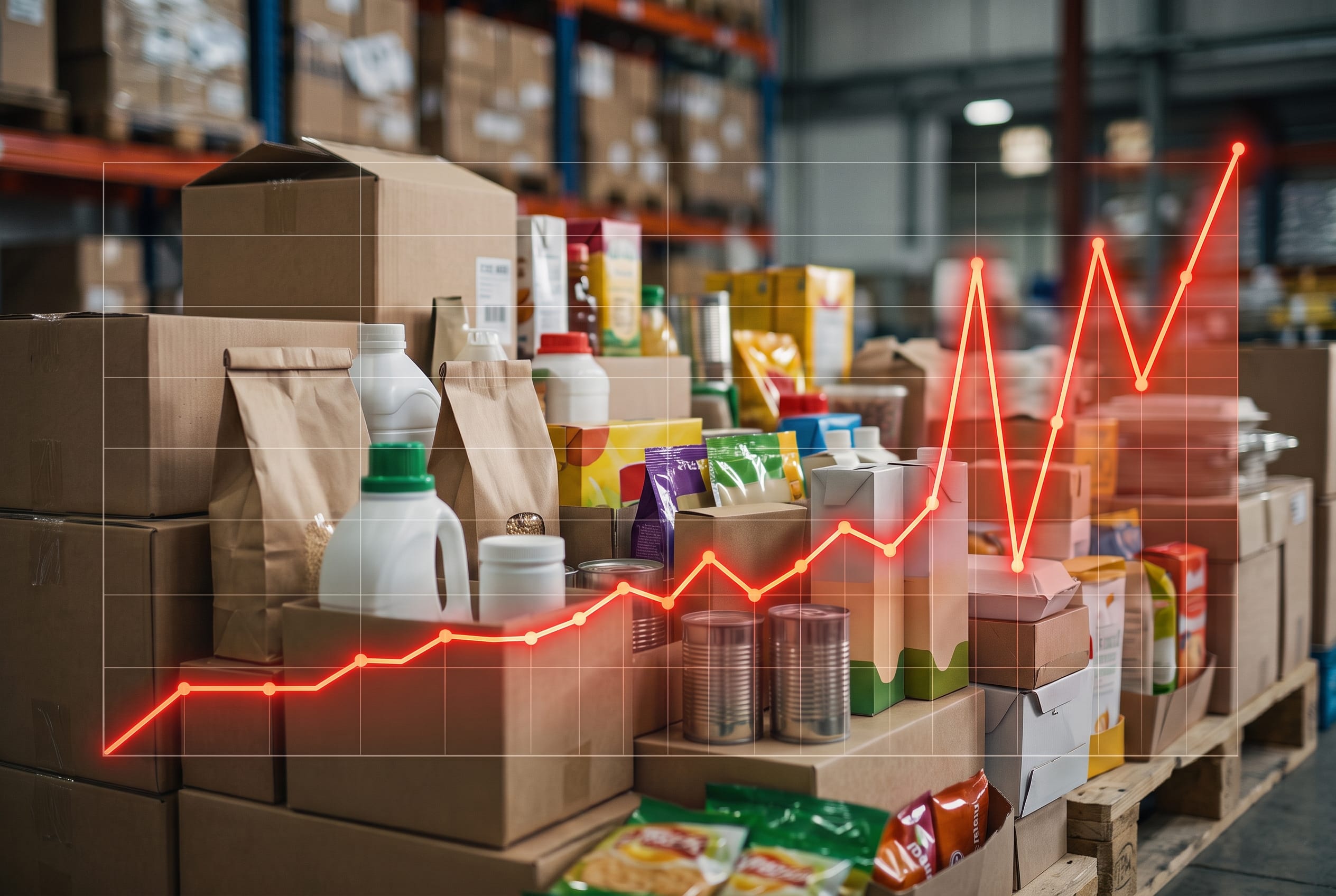
Whilst manufacturers may try to absorb some of the costs of the new PPT, inevitably some plastic products – particularly those still reliant on the use of non-recycled or virgin plastic, such as food-safe products – will increase in costs.
Increased packaging costs could lead to an increase in prices for products that use plastic packaging.
What is the Plastic Packaging Tax designed to achieve?
The government hopes that by encouraging the use of recycled plastic over new (virgin) plastic, it can stimulate an increase in recycling and waste collection, which it hopes in turn will help to divert plastic waste away from landfill.
So will we start to see plastic packaging containing more recycled content now?
That’s the idea, but it’s not quite so straightforward. Manufacturers will now have to weigh up the benefits of using recycled content versus the impact this has on the product they are selling, and its appeal to customers, who they still need to buy their products.
Introducing recycled plastic to a packaging product can alter the clarity, strength and texture of the packaging and even its smell, as recycled plastic is not as clear, transparent or strong as new (virgin) plastic. The larger the ratio of recycled to virgin plastic, the greater these alterations will be.
Is recycled plastic suitable for all packaging applications?
No. Using recycled plastic may not be an option for some manufacturers, such as those who make food packaging.
Food packaging is subject to strict food-safety regulations and using non-recycled (virgin) plastic ensures that these regulations can be met.
But introducing recycled plastic to a packaging product increases the possibility of contamination or unwanted substance residues being introduced, which may cause the packaging to fall short of meeting those regulations.