
Shoppers want clarity on eco-friendly packaging claims
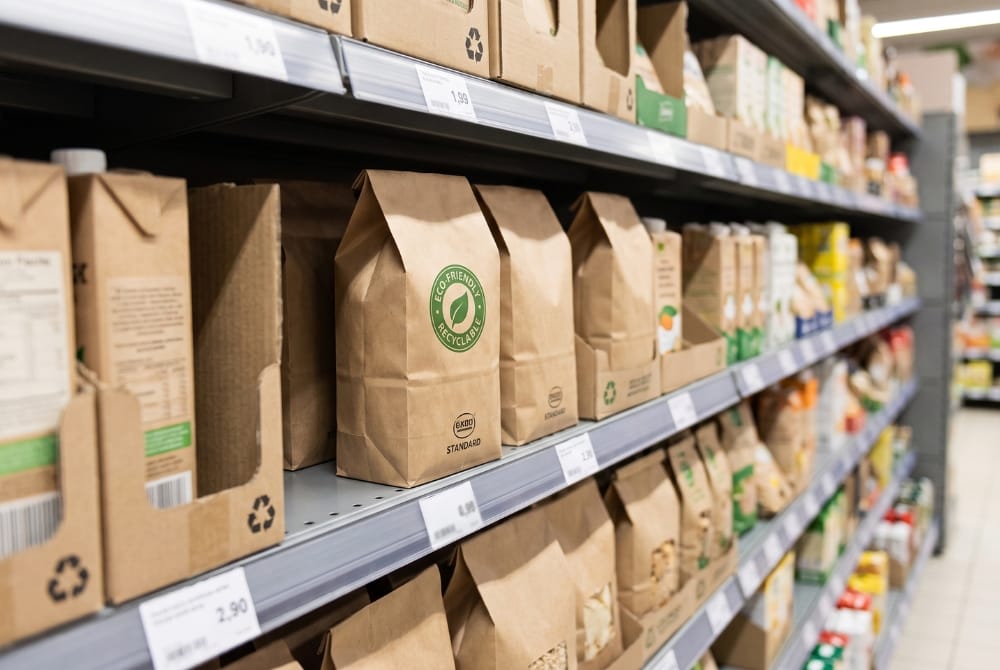
Consumers increasingly spot eco-friendly labels on supermarket shelves, but a new survey suggests widespread confusion is causing shoppers to doubt the authenticity of these sustainability claims. A recent US study led by packaging manufacturer Alpla found that 84% of adults noticed green marketing on products over the past six months, but more than half of those (53%) are frequently unsure about what these environmental claims actually mean. As reducing environmental impact becomes a primary goal for retailers, these findings are the latest to expose a widening gap between corporate marketing campaigns and everyday consumer understanding, on both sides of the Atlantic. Lost trust and lost sales Unclear labelling is not merely causing confusion; it is actively costing brands at the till. Alpla’s survey of 1,000 US adults discovered that 33% of consumers have abandoned purchases because eco-claims felt vague or unbelievable. This scepticism is significantly more prominent among younger shoppers. Over half (51%) of Gen Z consumers reported feeling regularly baffled by green labels, compared to just 16% of Baby Boomers. Overall, 44% of participants believe sustainability claims act primarily as marketing ploys rather than offering genuinely helpful guidance, whilst 16% said feeling misled by a product’s eco-label prompted them to lose trust in that brand. The results of Alpla’s survey mirror recent findings from closer to home. A March 2026 study by iKrafts found that more than 85% of UK consumers surveyed approach eco-friendly packaging messages with a degree of doubt. More than one in four (26%) believe sustainability claims are exaggerated, whilst over one in five (22%) say they’ve been misled by a brand’s claims at least once. A demand for clear labelling The packaging sector faces a clear requirement to improve consumer communication. Common phrases are consistently misunderstood. A 2026 study by Instaprint found that almost seven in 10 consumers (69%) incorrectly assumed recyclable packaging always gets recycled, whereas the end of that product’s lifecycle will depend on a number of factors, including local infrastructure, collection systems, sorting facilities and consumer behaviour. Similarly, 28% of shoppers surveyed by Alpla wrongly assumed that “made with recycled content” means the whole packet is recycled, whilst 51% mistake “recyclable” for a guarantee of local collection. To close this knowledge gap and benefit from the rising demand for sustainable goods, companies must prioritise straightforward language alongside specific recycling instructions. Nearly 60% of people noted that clear, understandable claims heavily improve their overall view of a brand. Industry takeaway for UK retailers To help shops maintain consumer trust and navigate complex labelling rules, some UK wholesale suppliers are taking action. UK manufacturer Polybags has been leading the way on this issue for a number of years, having labelled its entire catalogue with packaging standards and features to inform customers about the products they wish to buy.. This means that every product in Polybags’ extensive range of eco packaging is marked up to inform the customer of the product’s green credentials, such as whether it is recyclable or compostable. When a product contains recycled material it is labelled accordingly: ‘100%’ if made entirely from recycled material, or ‘30%’ if it reaches that benchmark – the level at which a polythene product becomes exempt from the Plastic Packaging Tax (PPT). Each catalogue label leads to an information page with details on what the label means, how products should be disposed of, and a handy comparison tool for how products carrying the label compare to other products on a variety of environmental factors, such as its carbon footprint, litter impact, reusability, recyclability and composability. Polybags’ online catalogue allows customers to make informed decisions based on the content of the packaging, whilst it also allows B2B customers to pass on this important information to their own customers. At a time when consumers are bombarded by sustainability claims from all angles, bridging this knowledge gap is key for consumers who often want to do the right thing when it comes to their packaging choices, but find it difficult to know what that actually means.
Eco-friendly adhesives: A major leap for sustainable packaging
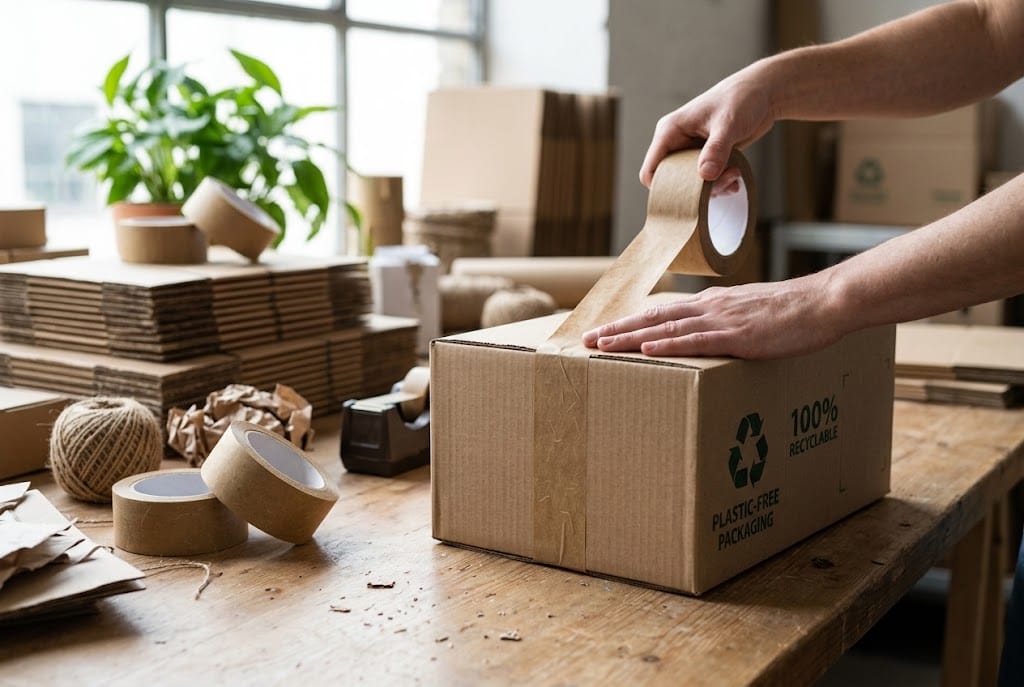
The packaging sector is making huge strides towards greener practices as a fresh wave of natural, plant-based adhesives hit mass production. In the UK, tech business BindEthics confirmed its main eco-friendly adhesive, Ecohesive, has moved from laboratory testing to large-scale manufacturing. This groundbreaking, fully natural glue uses clean industrial waste produced from leftover materials from beer brewing. Although Ecohesive’s main aim is to remove harmful chemicals from building materials, their use of food waste highlights a larger trend across many industries, where businesses are swapping fossil fuels and harmful petrochemicals for clean, renewable options. This shift is very clear in food and drink packaging, with upcoming EU safety rules putting pollution and chemical leaks under a microscope. To keep up, big firms are rolling out fresh ideas to make supermarket items much easier to recycle. UPM Adhesive Materials just released ProCycle, a new range of recycling-friendly labels. Aimed at big brands, this tech sticks incredibly well to plastic, cardboard and glass packaging. Crucially, it does not get in the way when the item goes to the recycling centre. The drinks market is also seeing changes. Fedrigoni Self-Adhesives has unveiled a clever wash-off glue for wine and spirits. It stays sticky during shipping but dissolves easily during the cleaning process. This directly helps bottle reuse programmes, letting firms meet the green packaging demand without buying expensive new factory machines. With stricter rules and shoppers wanting cleaner supply chains, firms are checking every packaging detail, right down to the sticky tape used to seal their deliveries. To immediately curb plastic waste and improve sustainability, a growing number of businesses are transitioning to eco-friendly paper tape ensuring their shipping boxes remain 100% recyclable. With sales of these green, circular glues already topping thousands of tonnes, the packaging world seems ready to leave fossil fuels behind for good.
Australian company converts banana plantation waste into eco-friendly food packaging

An Australian company is breaking new ground in the sustainable food packaging market by converting banana plantation waste into packaging. Papyrus Australia is taking stalks, leaves and stems generated by the country’s banana industry and transforming it into a flexible pulp that can be used to create various forms of packaging. The estimated annual emissions from the country’s agricultural waste – that would otherwise decompose and release methane – is equal to 900,000 tonnes of carbon dioxide. A growing market for plant-based solutions The new conversion technology transforms the plantation waste into a refined pulp, which is subsequently pressed into paper, board or moulded packaging applications, such as food containers or trays. The innovative method offers a reduced environmental impact compared to conventional paper milling, which consumes vast quantities of water and aggressive chemicals to decompose wood fibres. This development arrives as international regulations regarding plastic waste become increasingly stringent. As numerous nations prohibit expanded polystyrene (EPS) and single-use plastics, the food industry faces mounting pressure to source durable, compostable alternatives that maintain food safety and product longevity. Whilst banana fibre represents a new opportunity, it enters a market already featuring established plant-based alternatives. Many firms have already shifted towards similar materials, such as eco-friendly bagasse food packaging, which is manufactured from sugar-cane leftovers. Environmental benefits Much like bagasse, banana pulp offers a robust, compostable choice for both hot and cold produce, underlining a broader transition towards using agricultural residues within the supply chain. By working directly alongside growers, manufacturers and converters, Papyrus Australia aims to accelerate the adoption of banana fibre-based materials within the packaging industry, thereby helping to reduce the carbon footprint of the farming industry, along with plastic waste. CEO Daniel Schmidt said: “If the business has access to banana plantation waste, we can support the development of a sustainable and profitable manufacturing venture. “For the banana industry across the globe, this technology also represents a viable opportunity to help it utilize plantation waste.’ Banana breakthrough? Supported by an Australian government matched funding development grant of US$165,000, Papyrus Australia set up a rapid prototyping and research and development facility at Adelaide University. This facility has since developed a prototype pulp line, with equipment installed to support the transition from research to commercial production. “Papyrus is in the process of establishing its Adelaide production facility, which will house the key transformation technology and processes to convert the plantation waste into a valuable pulp for use in moulded products, paper, and board applications,” added Schmidt. “This facility will be the cornerstone for scaling our technology.” In an industry that is always driving advancements in eco-packaging technology, could the modest banana offer the breakthrough solution that helps to spell the end to plastic waste?
Brands face ‘compliance crunch’ as sustainable packaging claims go scientific
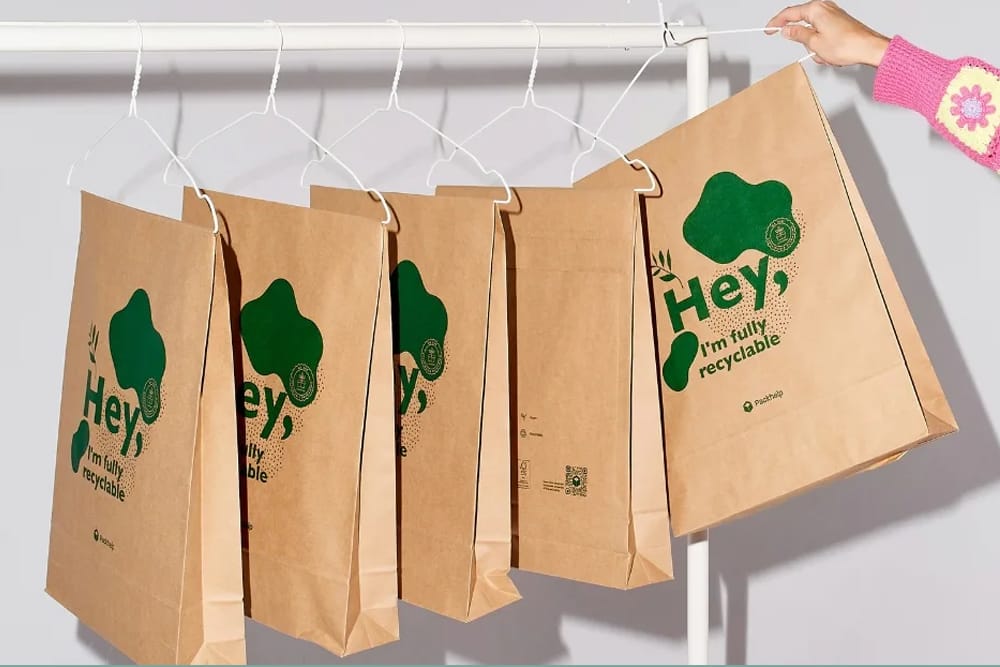
The era of vague environmental promises is coming to an end, as the packaging industry prepares for a major shift toward ‘substantiated sustainability’ by 2026. According to a new industry report from Innova Market Insights, the focus for manufacturers has moved from marketing-led ‘green’ initiatives to data-backed compliance. Driven by stricter regulations such as the EU’s Packaging and Packaging Waste Regulation (PPWR), brands are now being forced to provide scientific proof for every eco-friendly claim they make. Scientific proof over slogans The report identifies ‘Substantiated Sustainability’ as the top trend for 2026. While consumers have long expressed a willingness to pay more for greener options, scepticism remains high over ‘greenwashing’ – the marketing practice of making a company, product or policy appear more environmentally-friendly or sustainable than it actually is. “Sustainability has moved from a marketing advantage to a compliance obligation,” says Alisa Selezneva, senior analyst at Innova. “Brands must ensure every recyclability or carbon claim is legally defensible.” To meet these demands, companies are increasingly turning to third-party verification and life-cycle assessments. Leading examples include Carlsberg’s ‘Green Fibre Bottle’, which uses certified bio-based materials backed by transparent data to prove its environmental credentials. The digital watchdog Digital innovation is playing a central role in this transition, and an increasing role for digital technologies was highlighted in the report as the second most-significant packaging trend. The rise of ‘Digital-Enhanced Designs’ – including AI-powered QR codes and blockchain technology – allows consumers to track a product’s lifecycle in real-time. These ‘digital product passports’ are expected to become standard, providing detailed data on a package’s origin, recyclability and carbon footprint. For the consumer, a simple scan of a QR code can now verify whether a product truly lives up to its eco-labels. Practical solutions for businesses As the regulatory net tightens, UK businesses are seeking reliable sources of verified materials to avoid potential penalties. Many are turning to established specialists such as Polybags, who provide an extensive range of eco-packaging solutions along with clear guidelines on their eco-credentials, including a helpful index of packaging features and standards that apply to each of the products in their catalogue. For brands looking to combine these sustainable materials with the latest digital or personalised printing trends – another key 2026 forecast – dedicated services like PB Print are helping to bridge the gap between regulatory compliance and consumer engagement. The message for 2026 is clear: packaging is no longer just a container, but a scientifically validated communication tool. Companies that fail to adapt to this data-driven reality risk not only falling foul of the law but losing the trust of an increasingly savvy public. Image courtesy of @packhelp on Unsplash.
European carton packaging sector cuts carbon emissions by 8% in three years

The European carton packaging industry saw its carbon footprint shrink by 8% in three years up to 2024, according to a new industry report. Data released by Pro Carton, the association representing cartonboard manufacturers, shows that annual emissions dropped from 929kg of carbon dioxide (CO2) equivalent per tonne in 2021 to 854kg in 2024. Industry leaders say the figures provide ‘verifiable data’ for companies looking to switch from plastic to lower-carbon alternatives. Fossil fuel shift The reduction has been largely attributed to a significant move away from fossil fuels in the manufacturing process. Between 2021 and 2024, European mills reduced their reliance on fossil energy from 46% to 39%, whilst the use of wood-based biofuels and renewable heat sources increased over the same period, helping manufacturers avoid around 60kg of CO2 emissions per tonne. The report also highlighted a dramatic shift in electricity sourcing. The proportion of low-carbon electricity purchased by surveyed mills rose from 23% in 2021 to 66% in 2024. Lower-carbon alternative The study, titled the 2025 Carbon Footprint of Carton Packaging Study, was conducted by the Research Institutes of Sweden (RISE) and independently verified by the Institut für Energie-und Umweltforschung (ifeu) in Germany. It was based on data from facilities responsible for 60% of European cartonboard and 16% of folding carton production. Pro Carton stated that the findings reinforce the environmental credentials of fibre-based packaging, which is sourced from sustainably managed European forests. These forests act as a natural ‘carbon sink’, absorbing CO2 from the atmosphere. Meeting climate targets As businesses continue to seek ways to meet stringent Scope 3 climate targets – which require companies to account for emissions throughout their entire supply chain – the demand for sustainable alternatives remains high. For companies looking to source eco-friendly solutions, specialist suppliers like polybags.co.uk offer a variety of paper and cardboard packaging options that align with these greener procurement strategies. Pro Carton’s report also found that the converting process – where board is turned into boxes – represents about one-fifth of total emissions, whilst direct on-site emissions from printing and drying account for just 2%.
Milk-based biodegradable plastic offers potential solution to single-use waste

Scientists in Australia have created a new biodegradable packaging material using milk protein that fully decomposes in soil within just 13 weeks. Researchers at Flinders University in South Australia – working with colleagues from Colombia’s Universidad de Bogotá Jorge Tadeo Lozano – made the potential breakthrough in combating plastic pollution, by developing a thin, durable film that imitates the characteristics of traditional single-use plastics, whilst being far more environmentally-friendly. According to the research, published in the journal Polymers, the material combines calcium caseinate – the primary protein found in milk – with modified starch and bentonite nanoclay, with glycerol and polyvinyl alcohol added to improve durability and flexibility. Testing found that the material steadily decomposed under normal soil conditions, with a full breakdown estimated to occur within 13 weeks. With the packaging industry under increasing pressure to produce more sustainable food packaging, this development provides a welcome breakthrough and early evidence that combining biopolymers with nanoclay suspensions can produce films suitable for this purpose. “The entire formulation was designed to use inexpensive ingredients that are biodegradable and environmentally friendly to create a sustainable alternative with enhanced characteristics,” said Nikolay Estiven Gomez Mesa, one of the project’s lead researchers. The environmental impact of plastic remains a critical concern for global regulators. Statistics from the journal Nature suggest that approximately 60% of current plastics are used for single-use applications, with only 10% being recycled. Global plastic production has climbed from 2 million tonnes in 1950 to 475 million tonnes by 2022, and the Organisation for Economic Co-operation and Development (OECD) has warned that this could increase to 700 million tonnes by 2040, without coordinated international action. “Everyone can play a part in reducing their plastic use, and finding biodegradable polymer alternatives is an important part of science helping to find solutions for industry, consumers, and the environment,” said Professor Alis Yovana Pataquiva-Mateus, who co-led the study. “Most of our single-use plastic comes from food packaging, so these sorts of options should be explored further and join the circular economy revolution to conserve resources.” Image courtesy of Flinders University.
Amazon and Indian university develop eco-friendly mailing bags from agricultural waste

Amazon has joined forces with the Indian Institute of Technology (IIT) Roorkee to create eco-friendly mailing bags made from crop residues. The mailers, which are both recyclable and home-compostable, are designed to lower plastic use, reduce carbon emissions, and provide farmers with a new source of income from agricultural side streams. India generates an estimated 500 million tonnes of agricultural waste annually. Initiatives are underway to convert this waste into packaging as a strategy to reduce reliance on plastic bags, traditional virgin paper materials, and imported virgin wood pulp. This approach is also expected to mitigate the carbon-intensive practice of stubble burning – the incineration of leftover straw and crop residue after harvesting – and provide an additional income stream for farmers. IIT Roorkee’s Department of Paper and Packaging Technology is spearheading this development, directing waste materials such as wheat straw and bagasse to its Innovations in Paper and Packaging lab (INNOPAP) to create the new packaging. Waste not, want not The process begins with agricultural waste being broken down into pulp in an autoclave digester. This pulp is then washed and screened to eliminate impurities before being pressed and dried to produce paper. Sustainable packaging solutions are becoming increasingly in demand around the world, in everything from mailing bags to food packaging. Here in the UK, leading packaging manufacturer Polybags offers consumers a wide range of eco-friendly mailing bags, including an extensive selection of 100% compostable mailing bags that can be disposed of with food waste. They also stock a range of food packaging derived purely from agricultural waste – their bagasse catering supplies are made from the by-product of sugar cane processing and are fully compostable. Eye on developments Packaging manufacturers and retailers alike will be keeping an eye on developments in India, with IIT Roorkee and Amazon set for lab-scale development and testing of their new sustainable mailing bags for the next 15 months. If these initial phases are successful, Amazon intends to move forward with industrial trials, process validation, and commercial production scheduled for mid-to-late 2027. Professor Kamal Kishore Pant, director of IIT Roorkee, said: “Sustainability is no longer a choice, it is an urgent national priority. This collaboration between IIT Roorkee and Amazon is a step towards realizing India’s vision of a circular economy, aligned with government missions. “By transforming agricultural residues into biodegradable packaging materials, we are addressing the twin challenges of stubble burning and a reliance on virgin materials in India, while creating scalable solutions that can benefit industries, farmers, and society at large. “This initiative showcases how academic research and industry partnerships can accelerate India’s journey towards a more sustainable, and self-reliant future.” Image courtesy of Amazon News.
Quality still king but packaging power grows, new data shows

British shoppers are increasingly looking at what’s on the outside as much as what’s on the inside, as new research reveals the growing influence of packaging on the nation’s spending habits. A study by YouGov has found that while product quality (70%) and brand reputation (60%) remain the primary drivers for UK consumers, packaging is emerging as a critical ‘tie-breaker’ in an increasingly competitive market. The ‘Sustainable’ Generation The shift is most pronounced among younger shoppers. For those aged 18-24, packaging design and materials are nearly twice as important as they are for the over-65s. Nearly 30% of Gen Z consumers now cite packaging as a key factor when choosing between comparable products, signalling a long-term shift in retail priorities. Sustainability is the clear frontrunner in this trend. One-third of all Britons (34%) say that whether a pack is recyclable or biodegradable is the single most important factor influencing their purchase. Over-packaging backlash The report also highlights a growing frustration with ‘excessive’ wrapping. Luxury items, toys, and online deliveries were singled out as the worst offenders for over-packaging. While 51% of adults say they haven’t yet boycotted a brand over its packaging, the tide may be turning. Nearly 40% of younger consumers admit they have avoided products specifically because they appeared over-packaged. What it means for brands For the packaging industry, the message is clear: the ‘unboxing’ experience is no longer just about aesthetics; it is a statement of ethics. While quality is still king, sustainability is no longer a ‘nice-to-have’, the report suggests. Brands that can balance premium product quality with minimal, planet-friendly packaging are likely to win the battle for the hearts – and wallets – of the next generation of shoppers.