
Brands face ‘compliance crunch’ as sustainable packaging claims go scientific
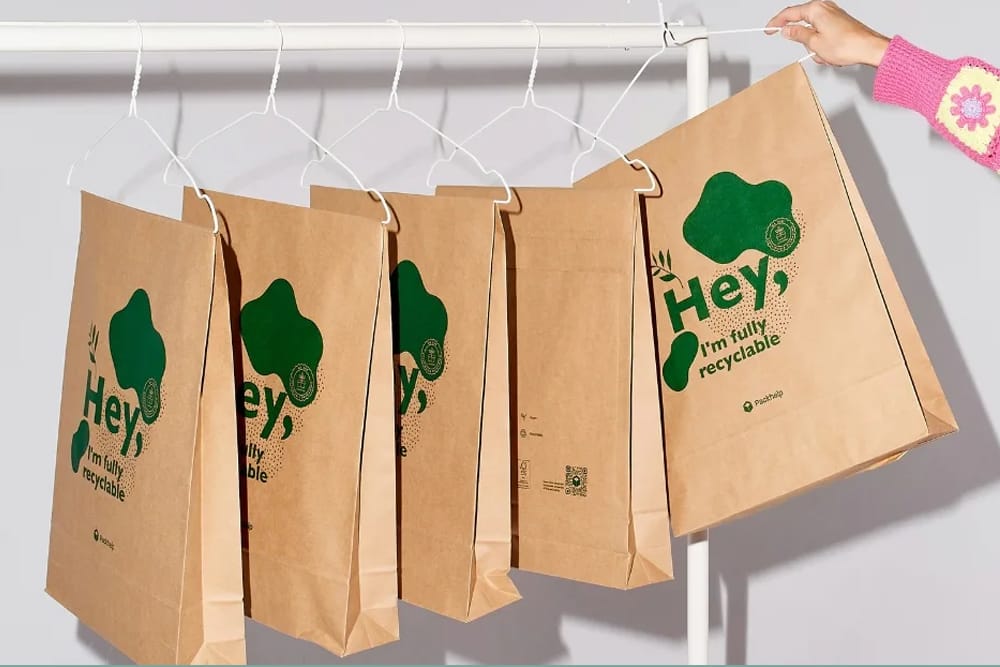
The era of vague environmental promises is coming to an end, as the packaging industry prepares for a major shift toward ‘substantiated sustainability’ by 2026. According to a new industry report from Innova Market Insights, the focus for manufacturers has moved from marketing-led ‘green’ initiatives to data-backed compliance. Driven by stricter regulations such as the EU’s Packaging and Packaging Waste Regulation (PPWR), brands are now being forced to provide scientific proof for every eco-friendly claim they make. Scientific proof over slogans The report identifies ‘Substantiated Sustainability’ as the top trend for 2026. While consumers have long expressed a willingness to pay more for greener options, scepticism remains high over ‘greenwashing’ – the marketing practice of making a company, product or policy appear more environmentally-friendly or sustainable than it actually is. “Sustainability has moved from a marketing advantage to a compliance obligation,” says Alisa Selezneva, senior analyst at Innova. “Brands must ensure every recyclability or carbon claim is legally defensible.” To meet these demands, companies are increasingly turning to third-party verification and life-cycle assessments. Leading examples include Carlsberg’s ‘Green Fibre Bottle’, which uses certified bio-based materials backed by transparent data to prove its environmental credentials. The digital watchdog Digital innovation is playing a central role in this transition, and an increasing role for digital technologies was highlighted in the report as the second most-significant packaging trend. The rise of ‘Digital-Enhanced Designs’ – including AI-powered QR codes and blockchain technology – allows consumers to track a product’s lifecycle in real-time. These ‘digital product passports’ are expected to become standard, providing detailed data on a package’s origin, recyclability and carbon footprint. For the consumer, a simple scan of a QR code can now verify whether a product truly lives up to its eco-labels. Practical solutions for businesses As the regulatory net tightens, UK businesses are seeking reliable sources of verified materials to avoid potential penalties. Many are turning to established specialists such as Polybags, who provide an extensive range of eco-packaging solutions along with clear guidelines on their eco-credentials, including a helpful index of packaging features and standards that apply to each of the products in their catalogue. For brands looking to combine these sustainable materials with the latest digital or personalised printing trends – another key 2026 forecast – dedicated services like PB Print are helping to bridge the gap between regulatory compliance and consumer engagement. The message for 2026 is clear: packaging is no longer just a container, but a scientifically validated communication tool. Companies that fail to adapt to this data-driven reality risk not only falling foul of the law but losing the trust of an increasingly savvy public. Image courtesy of @packhelp on Unsplash.
UK grocery retailers’ packaging pledges fall short of in-store reality

Significant discrepancies exist between the public sustainability pledges of UK grocery retailers and the actual packaging used in their stores, according to new research from packaging consultancy Aura. This finding underscores the urgent need for action as regulatory pressures, specifically the intensifying EPR and RAM regulations, increase for the sector. Aura, a premier global packaging consultancy, has conducted proprietary research that reveals surprising insights into the packaging sustainability performance of major UK grocery retailers. This research, which compared in-store findings against retailers’ public sustainability pledges, confirms that packaging sustainability is a key strategic priority, not just a talking point. The research arrives amid a demanding packaging landscape, shaped by evolving consumer expectations, escalating environmental pressures, and new regulations like Extended Producer Responsibility (EPR) and the Recyclability Assessment Methodology (RAM). The findings highlight significant gaps, alarming inconsistencies, and exemplary best practices, clearly identifying where the sector excels and where it falls short. To influence and inform the sector, these findings are detailed in the new e-book, UK Grocery Retail Packaging: The time to act is now. The e-book provides a clear comparative view of how UK grocery retailers measure up against each other and their own commitments, while underscoring the urgent need for action. By leveraging these insights, you can: Integrate packaging sustainability from the initial design phase Align packaging with legislation to lower total cost of goods and mitigate fees Enhance packaging design using practical examples and retail case studies Achieve packaging goals while successfully balancing environmental, consumer, and commercial needs
Tesco hits packaging milestone as more plastic removed

UK’s largest retailer has removed two billion pieces of plastic from its business Tesco has announced the removal of two billion pieces of plastic from its UK business in the last four years. The UK’s largest supermarket launched its 4Rs packaging strategy – which stands for Remove, Reduce, Re-use, Recycle – in 2019. Since then, the retail giant has made many changes to its packaging range, including switching its own-brand laundry packaging from plastic to cardboard and running a year-long reusable packaging trial. Tesco says that it has removed 500 million pieces of unnecessary plastic from its stores in the last 12 months alone, including: 30 million plastic yoghurt lids 29 million pieces of plastic from its limescale tablet packaging Nearly 24 million plastic windows from its doughnut packaging Nearly nine million pieces of plastic from its nappy packaging Tesco’s responsible sourcing director Kené Umeasiegbu said: “We all have a responsibility to take care of our planet and removing unnecessary plastic is an important way that Tesco can reduce its environmental impact. “As well as taking action in our own operations, we want to work with the whole industry to continue to build on the progress we’ve made to Remove, Reduce, Reuse and Recycle more.” Tesco’s reusable packaging trial – run in conjunction with Loop – was the UK’s largest trial of its kind, allowing customers in 10 Tesco stores to purchase over 150 product lines in reusable packaging. The trial ended in July 2022 with a report calling for greater collaboration across the industry to scale the reusable packaging market. The 2022 report said: “no single retailer or supplier can move the market on their own”, adding that both “need help to work together in a competitive space with a backdrop of competition law on reuse”, finding ways to “give products in reusable packaging price parity with their single use alternatives”. In a new 2023 report on their 4Rs strategy – entitled “Working together to tackle problem plastic and packaging” – Tesco has further outlined efforts required by retailers, industry and government to help transform the UK’s approach to packaging. Ideas include: Creating a level playing field for removing packaging in produce Supporting government efforts to introduce consistent kerbside recycling across the UK Ensuring deposit return schemes are viable and sustainable Image courtesy of Tesco.