
Brands face ‘compliance crunch’ as sustainable packaging claims go scientific
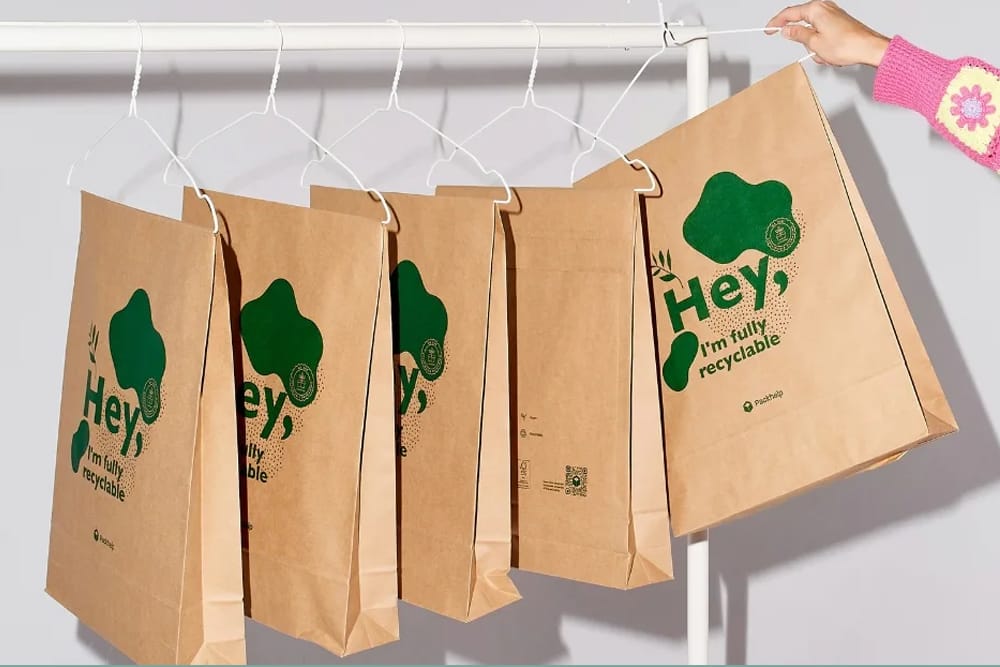
The era of vague environmental promises is coming to an end, as the packaging industry prepares for a major shift toward ‘substantiated sustainability’ by 2026. According to a new industry report from Innova Market Insights, the focus for manufacturers has moved from marketing-led ‘green’ initiatives to data-backed compliance. Driven by stricter regulations such as the EU’s Packaging and Packaging Waste Regulation (PPWR), brands are now being forced to provide scientific proof for every eco-friendly claim they make. Scientific proof over slogans The report identifies ‘Substantiated Sustainability’ as the top trend for 2026. While consumers have long expressed a willingness to pay more for greener options, scepticism remains high over ‘greenwashing’ – the marketing practice of making a company, product or policy appear more environmentally-friendly or sustainable than it actually is. “Sustainability has moved from a marketing advantage to a compliance obligation,” says Alisa Selezneva, senior analyst at Innova. “Brands must ensure every recyclability or carbon claim is legally defensible.” To meet these demands, companies are increasingly turning to third-party verification and life-cycle assessments. Leading examples include Carlsberg’s ‘Green Fibre Bottle’, which uses certified bio-based materials backed by transparent data to prove its environmental credentials. The digital watchdog Digital innovation is playing a central role in this transition, and an increasing role for digital technologies was highlighted in the report as the second most-significant packaging trend. The rise of ‘Digital-Enhanced Designs’ – including AI-powered QR codes and blockchain technology – allows consumers to track a product’s lifecycle in real-time. These ‘digital product passports’ are expected to become standard, providing detailed data on a package’s origin, recyclability and carbon footprint. For the consumer, a simple scan of a QR code can now verify whether a product truly lives up to its eco-labels. Practical solutions for businesses As the regulatory net tightens, UK businesses are seeking reliable sources of verified materials to avoid potential penalties. Many are turning to established specialists such as Polybags, who provide an extensive range of eco-packaging solutions along with clear guidelines on their eco-credentials, including a helpful index of packaging features and standards that apply to each of the products in their catalogue. For brands looking to combine these sustainable materials with the latest digital or personalised printing trends – another key 2026 forecast – dedicated services like PB Print are helping to bridge the gap between regulatory compliance and consumer engagement. The message for 2026 is clear: packaging is no longer just a container, but a scientifically validated communication tool. Companies that fail to adapt to this data-driven reality risk not only falling foul of the law but losing the trust of an increasingly savvy public. Image courtesy of @packhelp on Unsplash.
Global secondary packaging market set to hit £224 billion by 2030

Research from Smithers forecasts that the global market for secondary and protective packaging will hit £224 billion by 2030. The secondary packaging market is undergoing a significant transformation, driven by the ascendancy of e-commerce. A recent report from Smithers – a multinational testing, consulting and information services provider – indicates that e-commerce has surpassed consumer durables, non-durables, and industrial allocations to become the world’s fastest-growing segment in this market. While a steady increase in overall secondary packaging volumes is anticipated throughout the remainder of the decade, the composition of materials, formats, and consumption locations is fundamentally shifting. Packaging demand is now being heavily influenced by warehouses, fulfilment centres, and parcel networks, eclipsing the impact of traditional retail channels. Furthermore, the global packaging industry is increasingly prioritising environmental sustainability. Josh Brooks, divisional director of packaging at Easyfairs, said: “The global packaging industry is placing increasing emphasis on improving the environmental sustainability of its products as consumer expectations and regulatory requirements continue to intensify. “Companies are working to reduce material use, adopt recyclable or renewable resources, and lessen overall environmental impact.” The European market is poised for a significant increase in e-commerce secondary packaging volumes, which Smithers projects will rise by 45% by 2030. This growth sharply contrasts with the more modest 10.5% growth anticipated for the overall secondary packaging market. Specifically, e-commerce packaging is expected to grow from 4.7 million tonnes in 2023 to 6.8 million tonnes by 2030. Over the same period, total secondary packaging volumes are forecast to increase from 30.6 million tonnes to 33.8 million tonnes. Brooks added: “In Europe, EU member states are preparing to implement the PPWR over the next five years, aiming to meet the 2030 target for fully recyclable packaging. “This regulatory push underscores the growing urgency for innovation that aligns environmental responsibility with reliable packaging performance.” Paper-based protective packaging is projected to be one of the fastest-growing material types for packaging. The report forecasts a Compound Annual Growth Rate (CAGR) of 3.9% for paper fill through to 2030, driven by the adoption of automated paper dispensing systems in large e-commerce fulfillment centers. In the UK, the shift to paper is influenced by environmental, operational, and regulatory factors. Many longstanding packaging manufacturers, such as Polybags.co.uk have diversified their product range in recent years to include an ever-expanding selection of paper and cardboard packaging. Key drivers include the Plastic Packaging Tax, reduced Extended Producer Responsibility (EPR) obligations, and the material’s strong acceptance in kerbside recycling schemes, as highlighted by Smithers. Smithers also noted an emerging opportunity in returnable and reusable secondary packaging, particularly within closed-loop or business-to-business supply chains. However, this shift faces near-term obstacles, such as higher initial costs, low return rates, demanding durability requirements, and the logistical complexity of reverse logistics, cleaning, and redistribution.